Introduction
In the daily routine of a livestock farm, few tasks are as repetitive, labor-intensive, and yet as important as preparing feed. Farmers across the world have long relied on a deceptively simple machine to make this job faster, safer, and more economical: the chaff cutter, also known as a forage chopper or fodder cutter. At first glance it looks unremarkable—a hopper, a set of rotating blades, and a discharge chute—but inside this compact frame lies a machine that fundamentally changes how forage is processed and consumed. Understanding what a chaff cutter actually does, and how each of its functions contributes to better animal nutrition and farm efficiency, is essential for anyone involved in modern animal husbandry. This article explores the working principles, core functions, practical benefits, and selection criteria of the chaff cutter in detail.
What Is a Chaff Cutter?
A chaff cutter is a mechanical device designed to cut long forage crops—such as corn stalks, sorghum, wheat straw, rice straw, alfalfa, and fresh green grass—into short, uniform pieces called chaff. The cut material is then used as fodder for livestock including cattle, buffalo, sheep, goats, horses, and rabbits. The machine replaces the traditional manual method of chopping feed with a hand knife or sickle, which is slow, physically demanding, and inconsistent in output. By feeding material through a hopper into a high-speed cutting mechanism, a chaff cutter produces a steady stream of evenly sized feed in a fraction of the time.
The concept behind the machine is straightforward, but its impact is significant. Long stalks are bulky, difficult to chew, and easy for animals to pull apart and waste. When the same stalks are chopped into short lengths, they occupy less space, mix more thoroughly with concentrates, and are far easier for animals to consume. This simple transformation is the foundation of every function the chaff cutter performs.
Core Functions of a Chaff Cutter
1. Cutting and Chopping Forage
The primary and most obvious function of a chaff cutter is cutting. A rotating drum or flywheel, fitted with sharply ground knives, spins at high speed against a fixed counter-knife. As forage is pushed into the cutting chamber, the knives shear it cleanly into short segments. The cut is precise and clean rather than crushed, which preserves the nutritional value of the plant and makes the feed more palatable. Depending on the model, a cutter can process several hundred kilograms to several tons of material per hour, transforming a mountain of raw stalks into manageable feed in a single working session.
2. Adjustable Chopping Length
One of the most valuable functions of a modern chaff cutter is the ability to control the length of the cut. By changing the gear ratio or adjusting the feed roller speed, the operator can set the machine to produce chaff of a specific size—commonly ranging from a few millimeters to several centimeters. This matters because different animals and different feeding goals require different particle sizes. Finer chaff suits young animals, poultry, and animals with weaker teeth, while longer cuts are preferred for ruminants that need more roughage to stimulate rumination. The ability to fine-tune chop length makes a single machine suitable for a wide range of livestock and feeding programs.
3. Processing a Wide Variety of Materials
A well-designed chaff cutter is remarkably versatile. It can handle dry crop residues such as wheat and rice straw, high-moisture green fodder such as alfalfa and maize, and fibrous by-products such as sugarcane tops and banana leaves. Some heavy-duty models are even capable of cutting small branches and woody stems. This flexibility allows farmers to make use of whatever forage is available locally and seasonally, reducing dependence on a single feed source and lowering overall feed costs. The machine effectively turns agricultural waste into valuable livestock nutrition.
4. Mixing and Blending Feed
Beyond simple cutting, many chaff cutters perform a secondary mixing function. As chopped forage exits the discharge chute, it can be combined with concentrates, molasses, minerals, or silage additives. The tumbling action of the cutting chamber and the uniform size of the chaff allow these ingredients to distribute evenly throughout the feed. This is particularly important in total mixed ration (TMR) feeding, where consistent nutrient delivery in every bite is essential. A well-mixed ration prevents animals from selectively eating only the tasty components and leaving the rest, which improves overall intake and nutrition.
5. Silage Preparation
Chaff cutters play a critical role in silage making. For ensiling to succeed, forage must be chopped fine enough to pack densely and exclude air, which encourages beneficial fermentation. A chaff cutter produces the uniform short lengths needed for effective compaction, and it can apply silage inoculants during the cutting process. A better pack means less spoilage, less dry matter loss, and higher-quality feed available through winter or dry seasons. In this role, the machine is not merely a cutter but a key piece of equipment in the entire feed-preservation system.
6. Reducing Waste and Improving Hygiene
Because chaff is short and uniform, animals cannot easily sort through it or pull it apart and scatter it on the ground. This dramatically reduces feed wastage—often one of the largest hidden costs on a farm. Shorter pieces are also easier to store, stack, and transport, and they take up less space in feed troughs and storage areas. Clean, evenly cut feed reduces the accumulation of uneaten material, which in turn lowers the risk of mold growth and pest infestation around feeding areas. The result is a cleaner, more hygienic feeding environment.
Key Components and How They Work
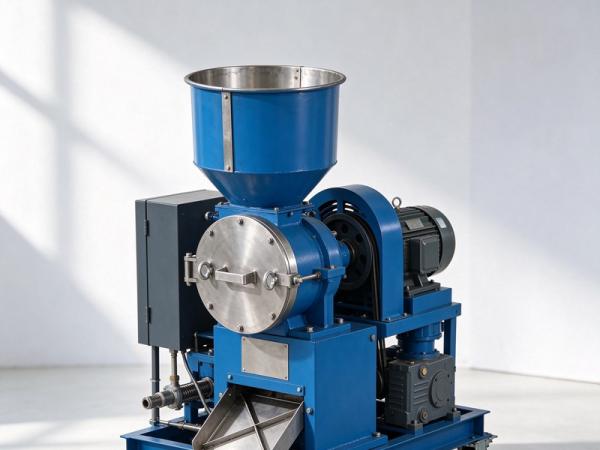
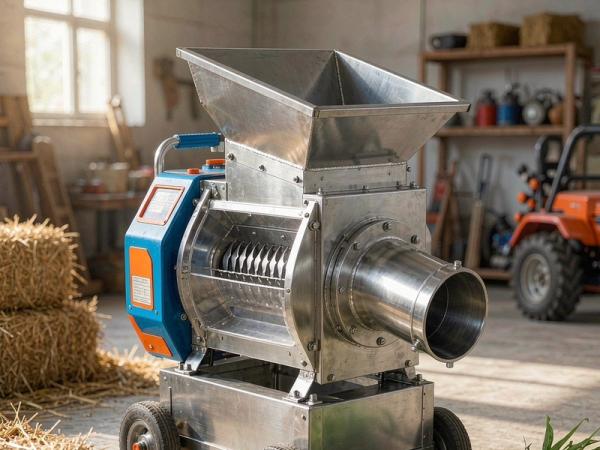
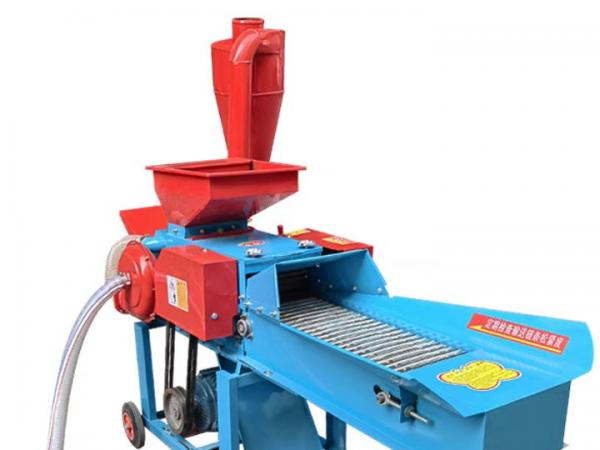
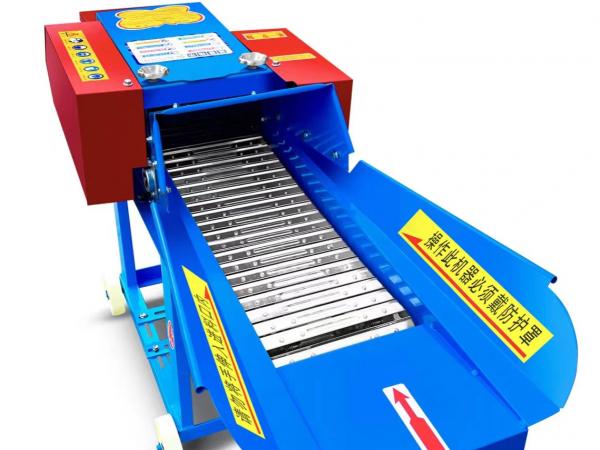
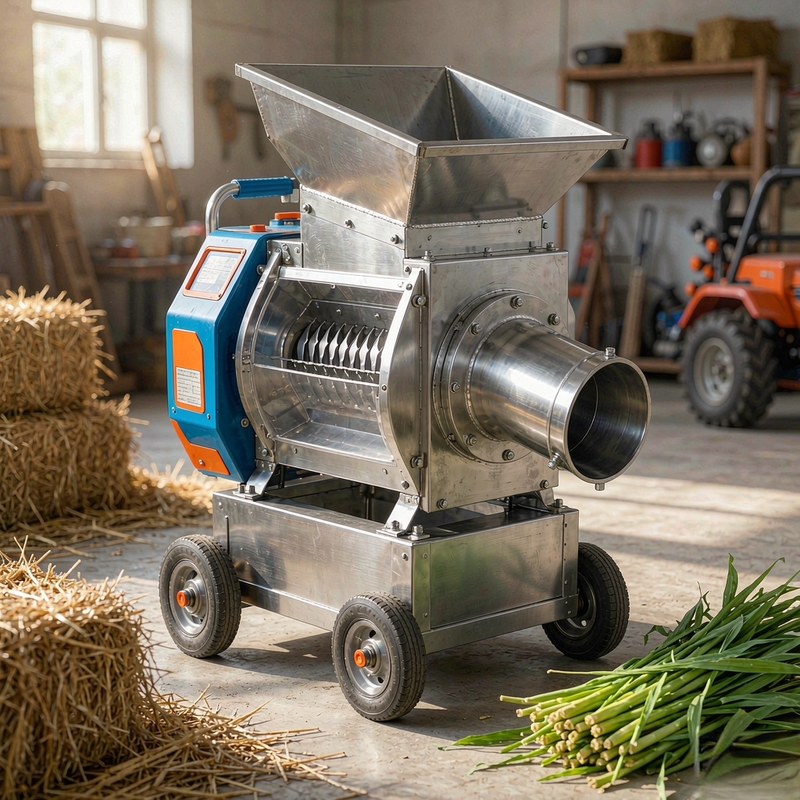
Understanding the functions of a chaff cutter is easier when you understand its main parts. The feeding hopper holds the material and guides it safely toward the blades. The feed rollers grip and push the forage at a controlled speed, which determines the chop length and keeps the operator's hands away from the cutting zone. The cutting mechanism—a rotating drum or flywheel with knives working against a fixed blade—performs the actual cutting. The power source, whether an electric motor, diesel engine, or tractor power take-off (PTO), drives the mechanism. Finally, the discharge chute directs the finished chaff into a cart, trough, or pile. Together, these components convert raw, awkward forage into a clean, consistent, and ready-to-use feed in one continuous operation.
Types of Chaff Cutters
Chaff cutters are generally classified by their power source and capacity. Manual chaff cutters are small, affordable, and suitable for a few animals, but they demand considerable physical effort. Electric chaff cutters are the most common choice for small and medium farms; they are quiet, easy to operate, and ideal where a reliable power supply is available. Diesel-powered models offer mobility and independence from electricity, making them useful in remote fields or for custom-hire operators. PTO-driven cutters connect to a tractor and are favored for large-scale operations where high throughput is required. Understanding these categories helps buyers match the machine to their herd size, available power, and workload.
Practical Benefits for the Farm
The combined effect of these functions is a substantial improvement in farm productivity. Chopped feed is easier for animals to digest, which can lead to better feed conversion ratios and higher milk or meat yields. The reduction in waste means farmers get more value from every kilogram of forage they grow or purchase. Labor requirements drop sharply, freeing workers for other tasks and making it feasible to manage larger herds with the same team. In addition, because a chaff cutter allows farmers to use a broader range of crop residues, it strengthens feed security during shortages and supports more sustainable, circular farming practices.
Choosing and Maintaining a Chaff Cutter
When selecting a chaff cutter, farmers should consider the type of forage they will process most often, the required daily output, the available power source, and the range of chop lengths needed. Blade quality and ease of sharpening are especially important, since dull knives reduce cutting efficiency and increase power consumption. Safety features such as guarded hoppers and emergency stops should never be overlooked. Regular maintenance—keeping blades sharp, checking bolts and belts, lubricating moving parts, and cleaning the cutting chamber after use—keeps the machine running efficiently and extends its service life significantly.
Conclusion
The chaff cutter is far more than a simple cutting device. Through chopping, size control, material versatility, mixing, silage preparation, and waste reduction, it touches nearly every stage of the feeding process. For the modern livestock producer, it is an investment that pays back through better nutrition, lower labor costs, reduced waste, and more reliable feed supply. Whether you run a small family farm or a large commercial operation, understanding the full range of functions a chaff cutter offers is the first step toward using it to its greatest advantage.